Since 1872
The Corps That Wouldn’t Quit
A fistfight, a near collapse, a war record and a long road from all male and all cadet to the Corps you see today.
- 1872The college opens with every student a cadet.
- 1878President Minor and Commandant Lane come to blows at a faculty meeting.
- 1888Barracks No. 1, now Lane Hall, is finished.
- 1898Most of the band enlists together for the Spanish-American War.
- 1919The War Department names VPI one of twelve Distinguished Colleges.
- 1946Civilian students outnumber cadets for the first time.
- 1964Corps membership becomes voluntary that fall.
- 1973Women join the Corps in L Squadron.
- 1987The first female regimental commander is appointed.
- 2025The first Marine commandant takes over.
Everybody was a cadet
When the college opened in 1872, every student was a cadet, organized as a battalion of two companies. Military training stayed required from the founding until 1964.
That was baked in from the start. The land-grant law Lincoln signed in 1862 added military tactics to agriculture and engineering.
The first commandant was Gen. James H. Lane. He had been the youngest general in the Army of Northern Virginia and was wounded three times. He wrote the first cadet regulations, and the Corps calls him its father.
The 1878 fistfight
In 1878 President Charles Minor wanted to drop the strict military requirements. Lane said no. A faculty meeting about it ended with the two men throwing punches.
Both left campus in the scandal. The Corps stayed.
The next few years were chaos. From December 1879 to January 1882, the college went through six presidents. John Lee Buchanan served twice. Scott Shipp lasted four days. The General Assembly removed the entire Board of Visitors twice.
VT’s own 150th history blames the feud only in part. Most of the turmoil came from fights in Richmond between the Conservative and Readjuster parties.
For a stretch in 1880 to 1882 there was no commandant at all. The acting president put a senior cadet in charge. Enrollment collapsed.
Building a regiment
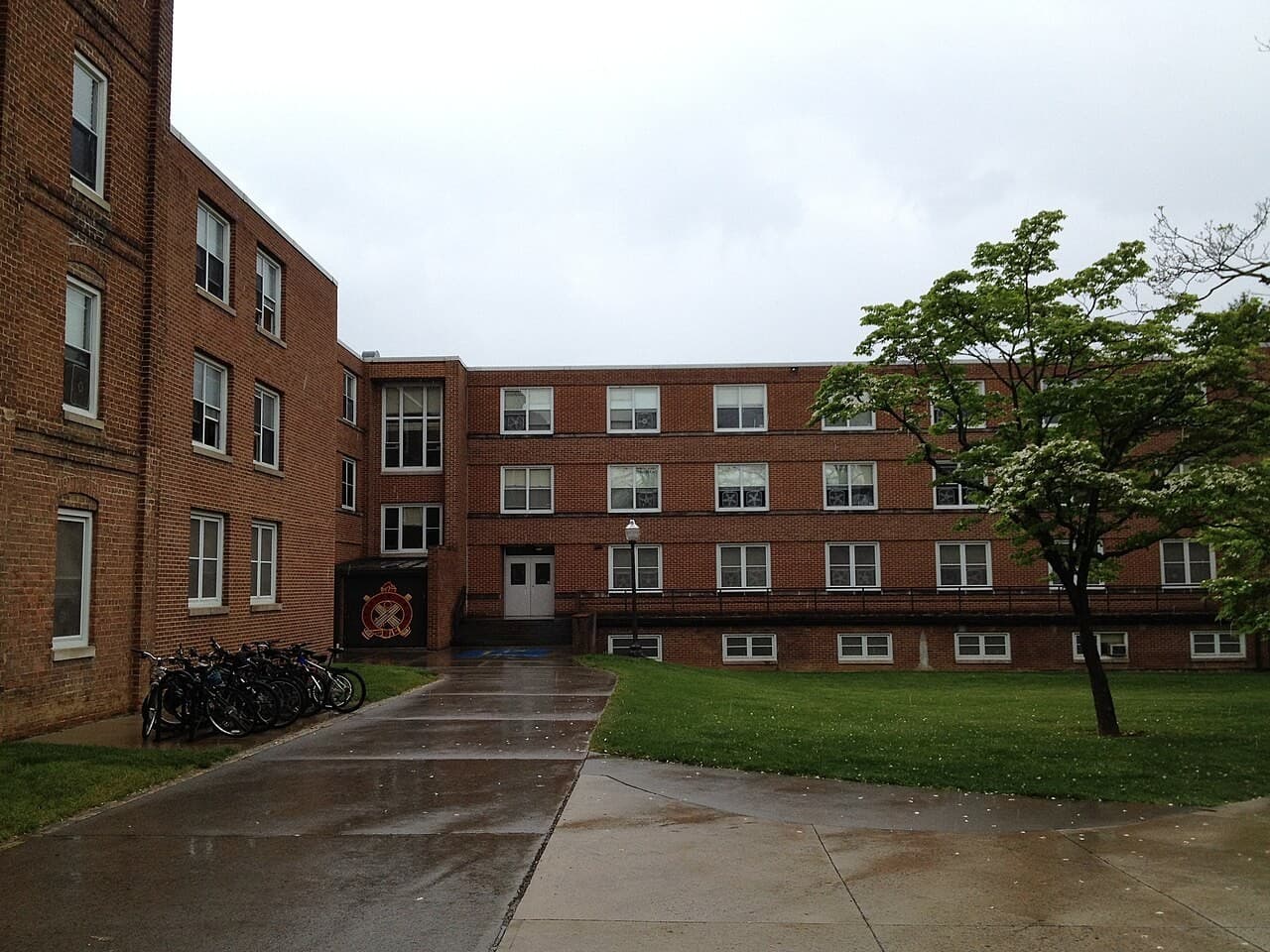
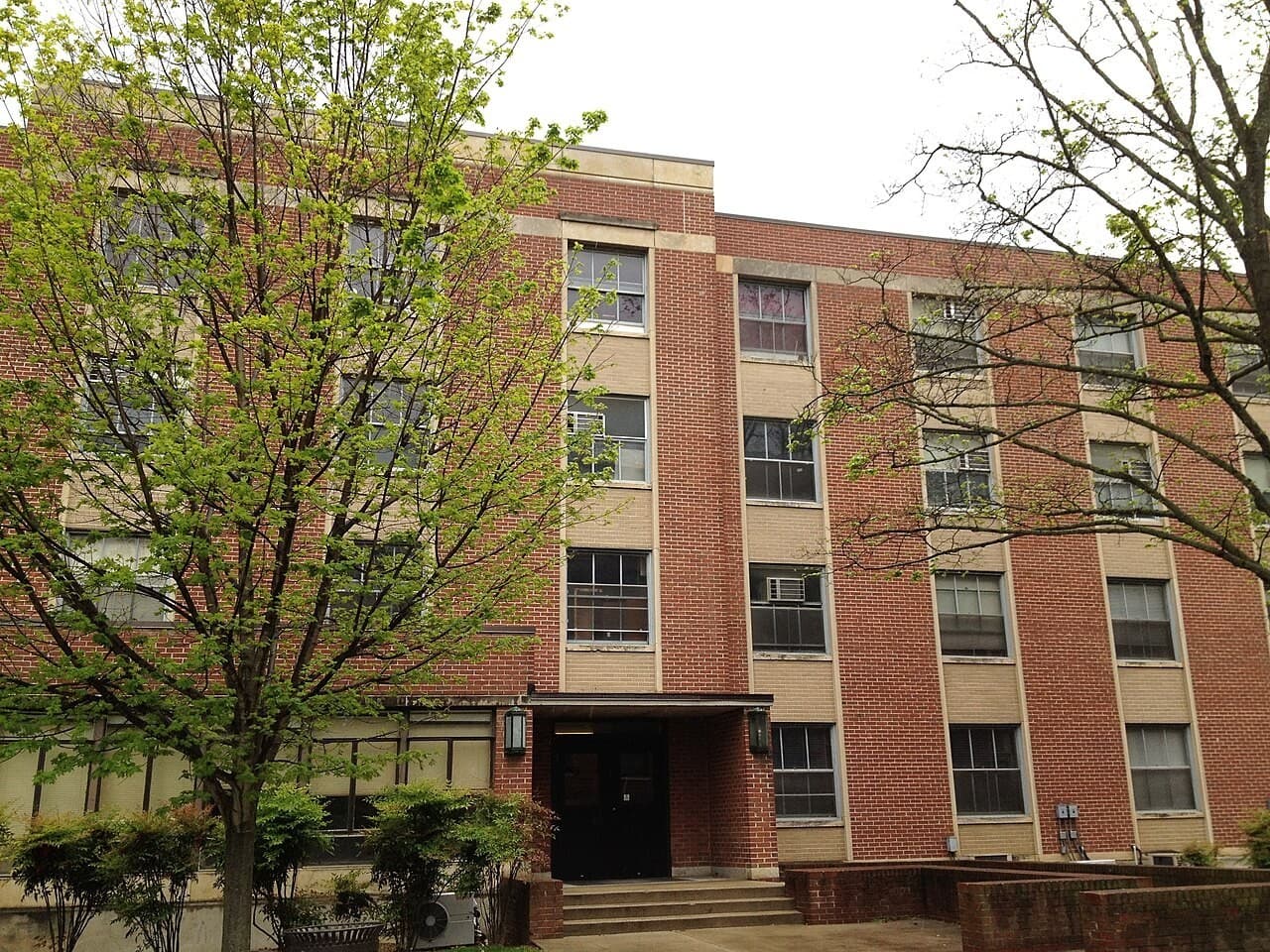
Then it grew. Barracks No. 1, now Lane Hall, was finished in October 1888 for about $20,000. It had hot and cold running water. It became faculty offices in 1967 and is on the National Register today.
Company C came in 1887. Band Company formed in 1893, the year a battery was added too, and Company D in 1894. From 1883 to 1907, E Battery manned four Civil War artillery pieces. Julian Burruss commanded it as a cadet, long before he became president.
The Corps traveled. Its first trip was to Richmond in 1875 for the Lee Monument dedication. Later came the 1901 Pan-American Exposition in Buffalo and the 1904 World’s Fair in St. Louis. Starting in 1896, the annual VPI-VMI football game in Roanoke was billed as the “Military Classic of the South.”
The same year, 1896, brought the motto Ut Prosim. It later became one of the eight values on the Pylons.
Called up
In 1898 the Corps offered itself to the governor as a unit for the Spanish-American War and was turned down. So most of the band and its director enlisted on their own, as the band of the 2nd Virginia Infantry. They trained near Jacksonville and were mustered out that December.
In World War I, 2,297 VPI men served and 26 died. Maj. Lloyd W. Williams, Class of 1907, a Marine, died of wounds from Belleau Wood on June 12, 1918. He was the first VPI service member and the first Virginian killed in combat in that war.
In June 1919 the War Department reviewed 253 schools and named VPI one of twelve “Distinguished Colleges.”
In World War II, 7,285 alumni served and 323 died. The Corps hit 2,650 cadets at its wartime peak, then dropped under 300 as cadets were called up.
The Corps changes
In 1946 civilian students outnumbered cadets for the first time, the same year Air Force ROTC arrived. Returning veterans and cadets did not always mix. Regimental commander Rolfe Robertson, Class of 1949, a Coast Guard veteran himself, worked to ease that.
After the war, the Cadet 1st Battalion spent two years living in World War II Army barracks at Radford Army Arsenal, known as Rad-Tech. Cadets took many classes there and rode buses to main campus for the rest, until new dorms opened and the battalion came home.
On May 18, 1964, the Board of Visitors made the Corps optional starting that fall. ROTC students still had to join. Two years later, cadets and civilians formed one student government.
Women entered the Corps in fall 1973, in L Squadron. The first woman joined Band Company in 1975. L Squadron was disbanded in 1979, and the first female regimental commander was appointed in 1987.
The “Rat System” became the New Cadet System in 1981. Naval ROTC started in 1983. In spring 2025, Maj. Gen. Seely became the first Marine to serve as commandant.
Still here
Virginia Tech is a senior military college, one of only six outside the five federal service academies. It is also a public university where cadets and civilian students share campus life.
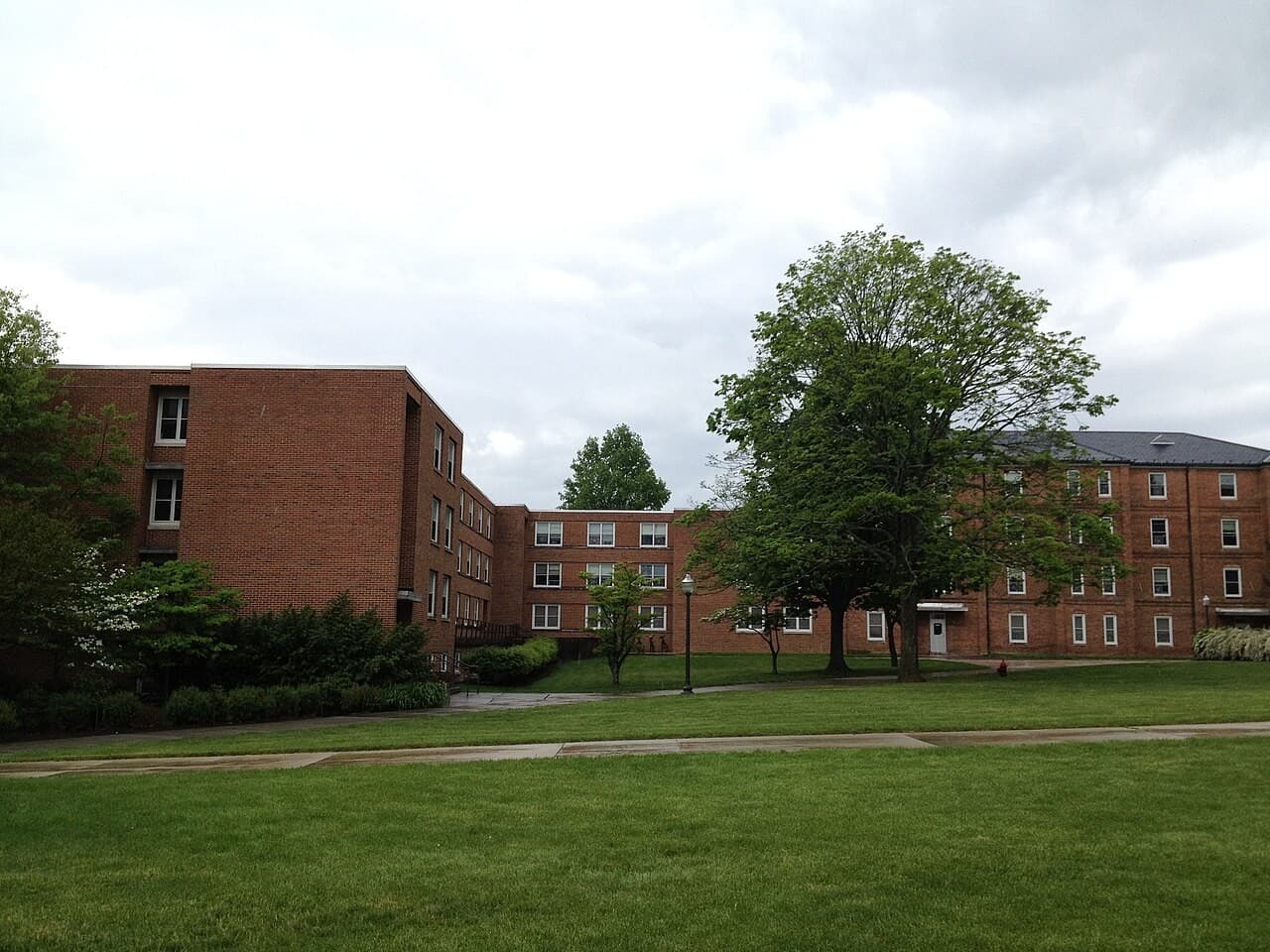
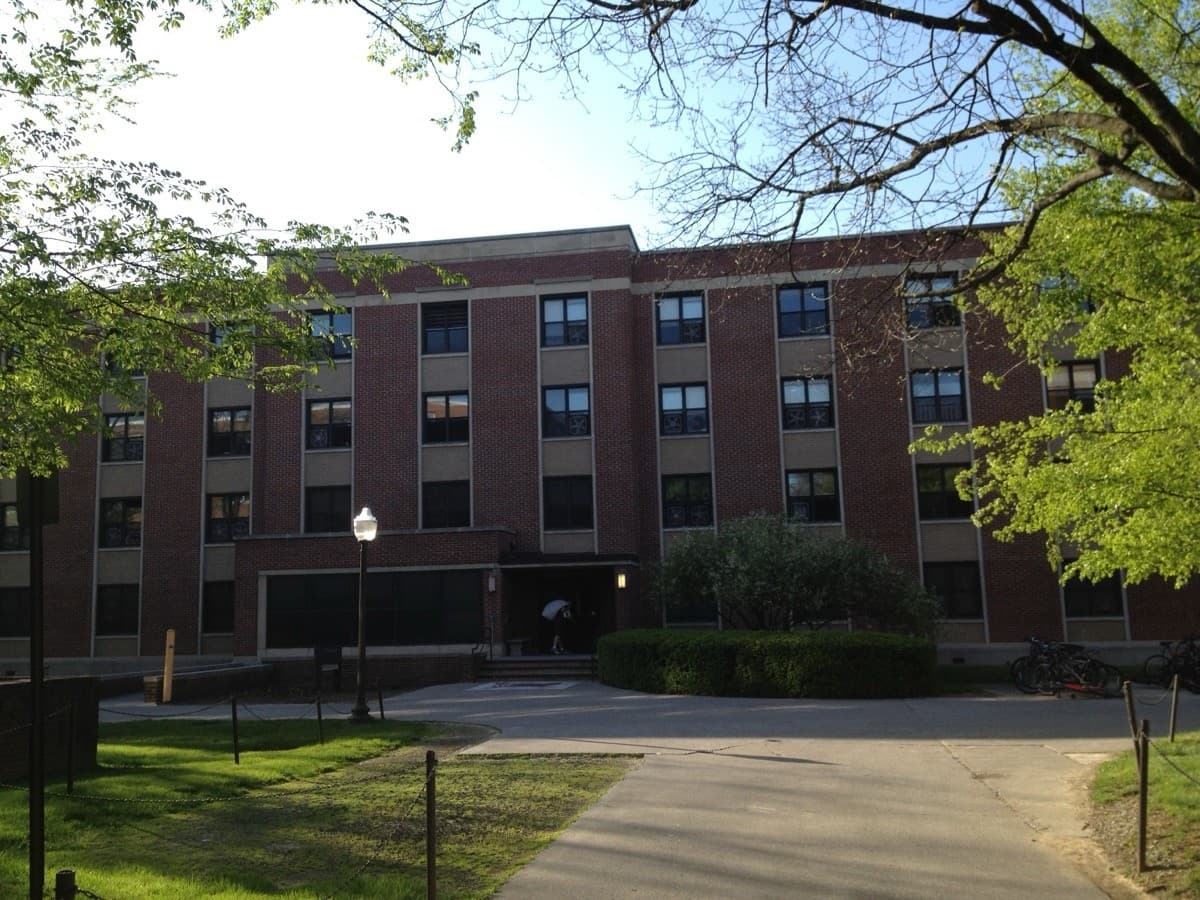
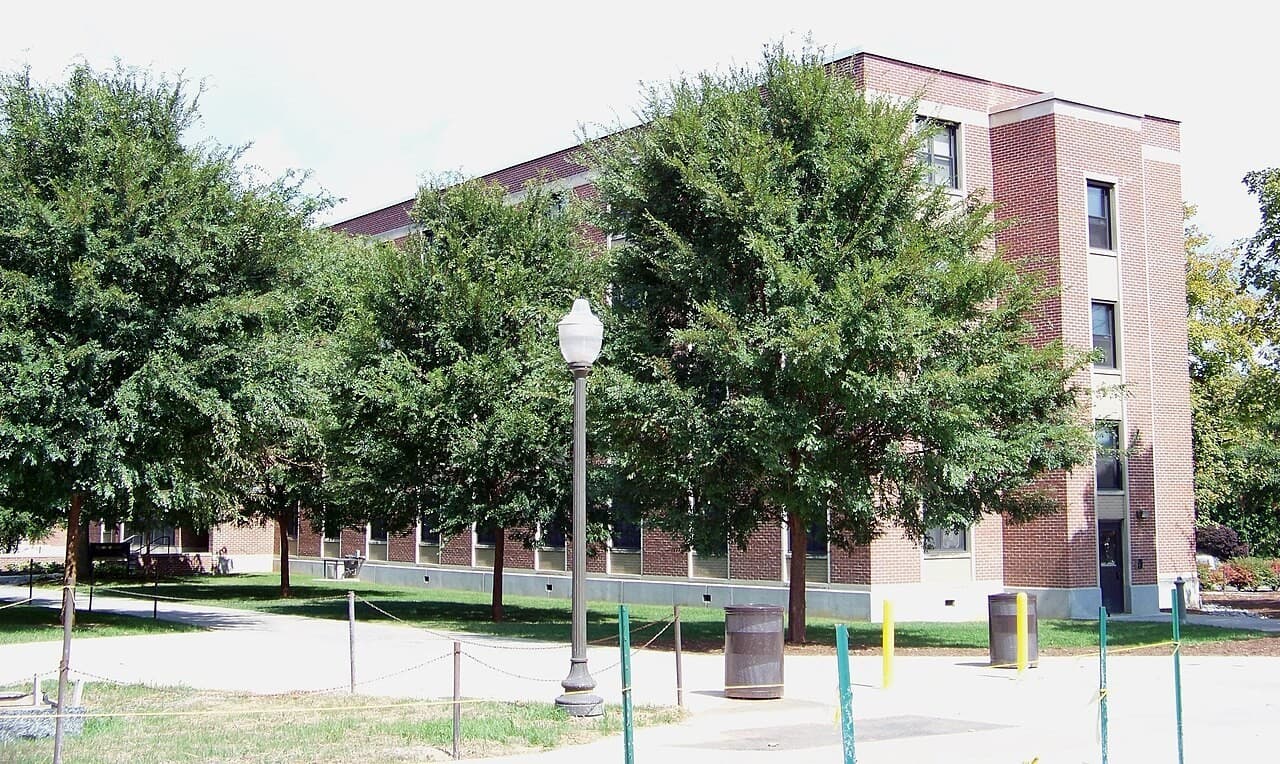
The Corps had about 1,400 cadets in August 2025. They live on a rebuilt Upper Quad. Pearson Hall East, Pearson Hall West, Upper Quad Hall North and a new Corps Leadership and Military Science Building replaced older barracks, including Rasche, Brodie, Monteith, Femoyer and Thomas halls.
The buildings changed. The motto did not.