1960 to today
Eight Pylons, Eight Names
The quiet memorial above the Drillfield, the values it stands for, and the eight Hokies on its cenotaph.
- 1899Antoine Gaujot swims a river under fire at San Mateo.
- 1911Julien Gaujot arranges safe passage on the Mexican border.
- 1927War Memorial Hall hosts its first commencement on June 14.
- 1944Jimmie Monteith is killed on D-Day near Colleville-sur-Mer.
- 1949Femoyer, Monteith and Thomas halls are dedicated.
- 1960War Memorial Chapel, the court and the Pylons are completed and dedicated.
- 1969Gary Lee Miller dies in Vietnam on February 16, at 21.
- 2001The memorial is rededicated.
- 2020Miller becomes the eighth name on the cenotaph, honored at the Pylons on November 6.
More than a skyline
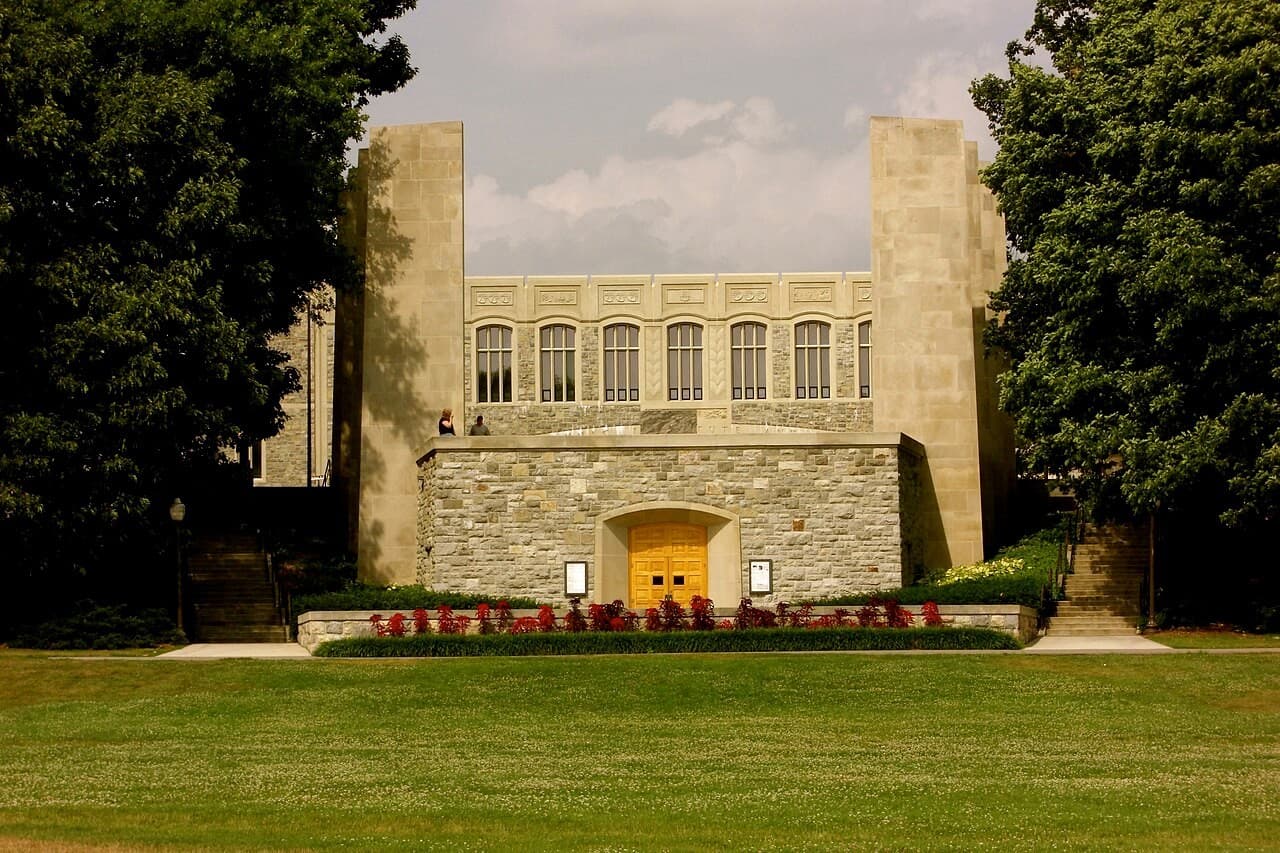
Most people know the Pylons as the view across the Drillfield. Fewer know there is a chapel underneath them.
War Memorial Chapel and its court were completed and dedicated in 1960 to honor VPI’s fallen and its Medal of Honor recipients. The memorial was rededicated in 2001. It sits at Drillfield Drive and Alumni Mall.
The Pylons carry the names of every Virginia Tech student and graduate who died defending the country, starting with World War I. The Historical Marker Database counted 425 names carved there, though it does not say when that count was taken.
From 1991 to 2017, the War Memorial and its eight pylons were the university logo, with “1872” underneath.
Eight values, two sculptors
There are eight pylons, all Indiana limestone. Each one stands for a value. Reading left to right, the university lists them as Brotherhood, Honor, Leadership, Sacrifice, Service, Loyalty, Duty and Ut Prosim.
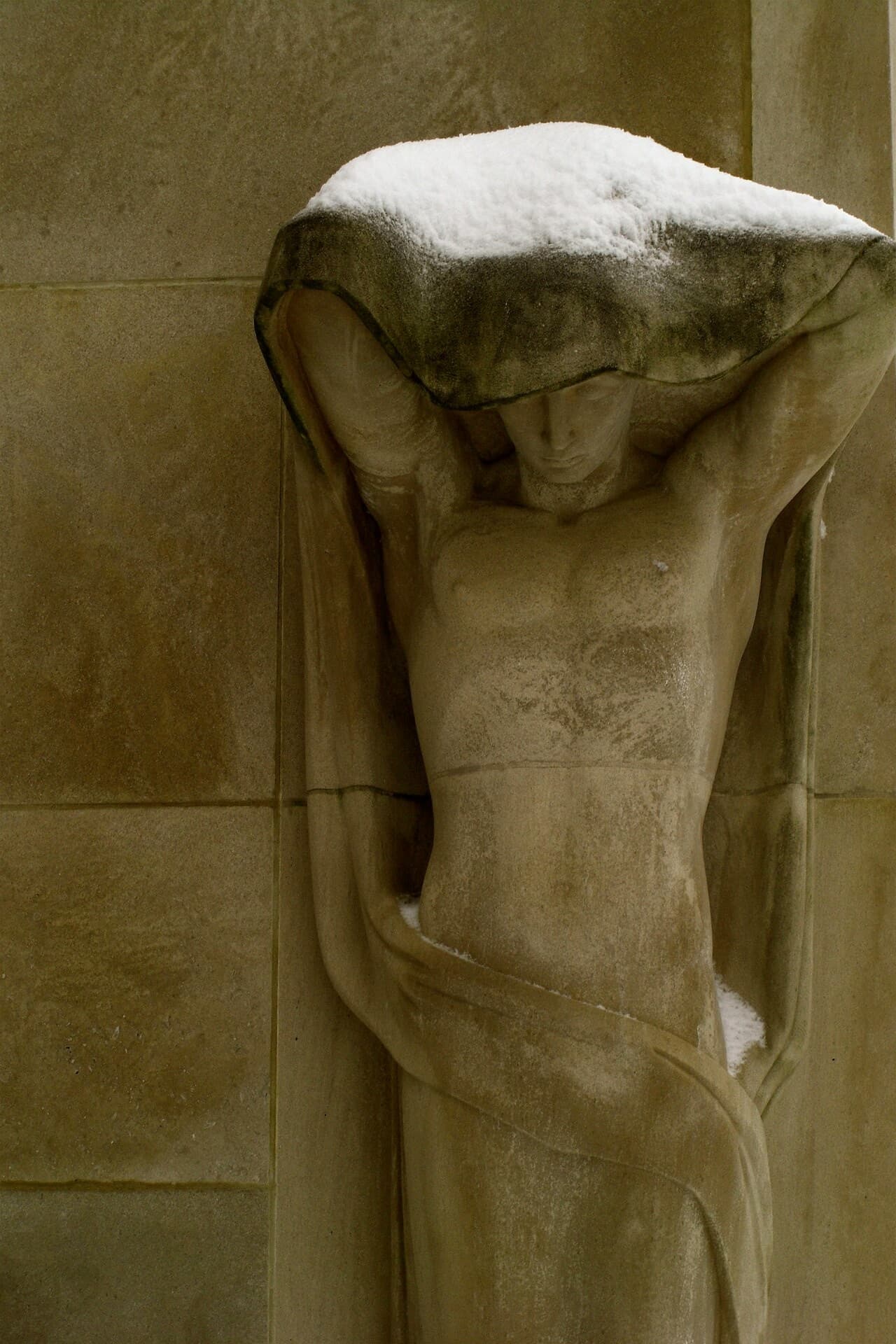
Two different artists made the sculptures. The left four are by Henry Kreis of Essex, Connecticut. The right four are by Charles Rudy of Ottsville, Pennsylvania. Once you know that, it is worth walking the row slowly to see the two hands at work.
The Corps of Cadets uses the Pylon values as the guiding principles for its Distinguished Alumni award.
The cenotaph
In the center of the court above the chapel is a marble cenotaph, a symbolic tomb. It carries the names of Virginia Tech’s eight Medal of Honor recipients.
About 3,400 people have ever received the Medal of Honor. VT points out that more than half were awarded in the Civil War, before the school existed. Eight from one college is a lot.
Each name is a short story.
The eight
Antoine Gaujot, Army corporal, Philippines, 1899. At the Battle of San Mateo, under fire, he swam a swollen river and brought back an enemy canoe.
Julien Gaujot, Class of 1893, Army captain, Mexican border, 1911. At Douglas, Arizona, he spent an hour under fire between two warring sides to arrange safe passage. VT calls him the only soldier to receive the medal for peacekeeping. He and Antoine are the only brothers to earn it in different wars.
Earle Gregory, Army sergeant, Meuse-Argonne, World War I. Known as the “Sergeant York of Virginia,” he used a mortar shell as a grenade to capture a machine gun and three soldiers, then a howitzer and 19 more. He came to VPI after the war.
Herbert Thomas, Marine sergeant, Bougainville, World War II. When jungle vines dropped his own grenade back among his men, he threw himself on it.
Jimmie W. Monteith Jr., Army first lieutenant, D-Day. On June 6, 1944, near Colleville-sur-Mer, he led tanks on foot through a minefield and was killed holding his position. He attended VT from 1937 to 1939 and is buried at the Normandy American Cemetery.
Robert Femoyer, Class of 1944, Army Air Forces navigator. Over Germany, badly wounded, he refused morphine and guided his B-17 for two and a half hours through six course changes. He died 30 minutes after landing. He is the only navigator ever awarded the Medal of Honor.
Richard Shea Jr., Army first lieutenant, Pork Chop Hill, Korea. He fought for more than 18 hours, refused evacuation when he was wounded, and was last seen fighting hand to hand.
Gary Lee Miller, first lieutenant, 1st Infantry Division, Vietnam. His story is the newest one on the stone.
The eighth name
Gary Lee Miller grew up in Covington. In 1965 and 1966 he spent four quarters at Virginia Tech’s Clifton Forge-Covington branch, which became Dabney S. Lancaster Community College in 1967.
He served with Company A, 1st Battalion, 28th Infantry, in Binh Duong Province, South Vietnam. At night, on patrol after an ambush, he was badly wounded. When a grenade landed among his men, he threw himself on it. He died on February 16, 1969, at 21, and received the Medal of Honor posthumously.
For decades his name was not on the cenotaph. Charlie Wood, Class of 1970, who knew Miller’s circle from Alleghany County, started pushing in 2005. In 2018 he connected with Miller’s younger brother, Michael Miller, Class of 1975.
The cenotaph’s rule settled it: any alumnus counts, graduate or not. In 2020, after 15 years of work by one alumnus, Gary Lee Miller became the eighth name.
The ceremony was held at the Pylons at 3 p.m. on Friday, November 6, 2020. President Tim Sands spoke, the Gregory Guard fired a rifle salute and “Echo Taps” played. Because of COVID-19, it was also livestreamed.
Names on buildings
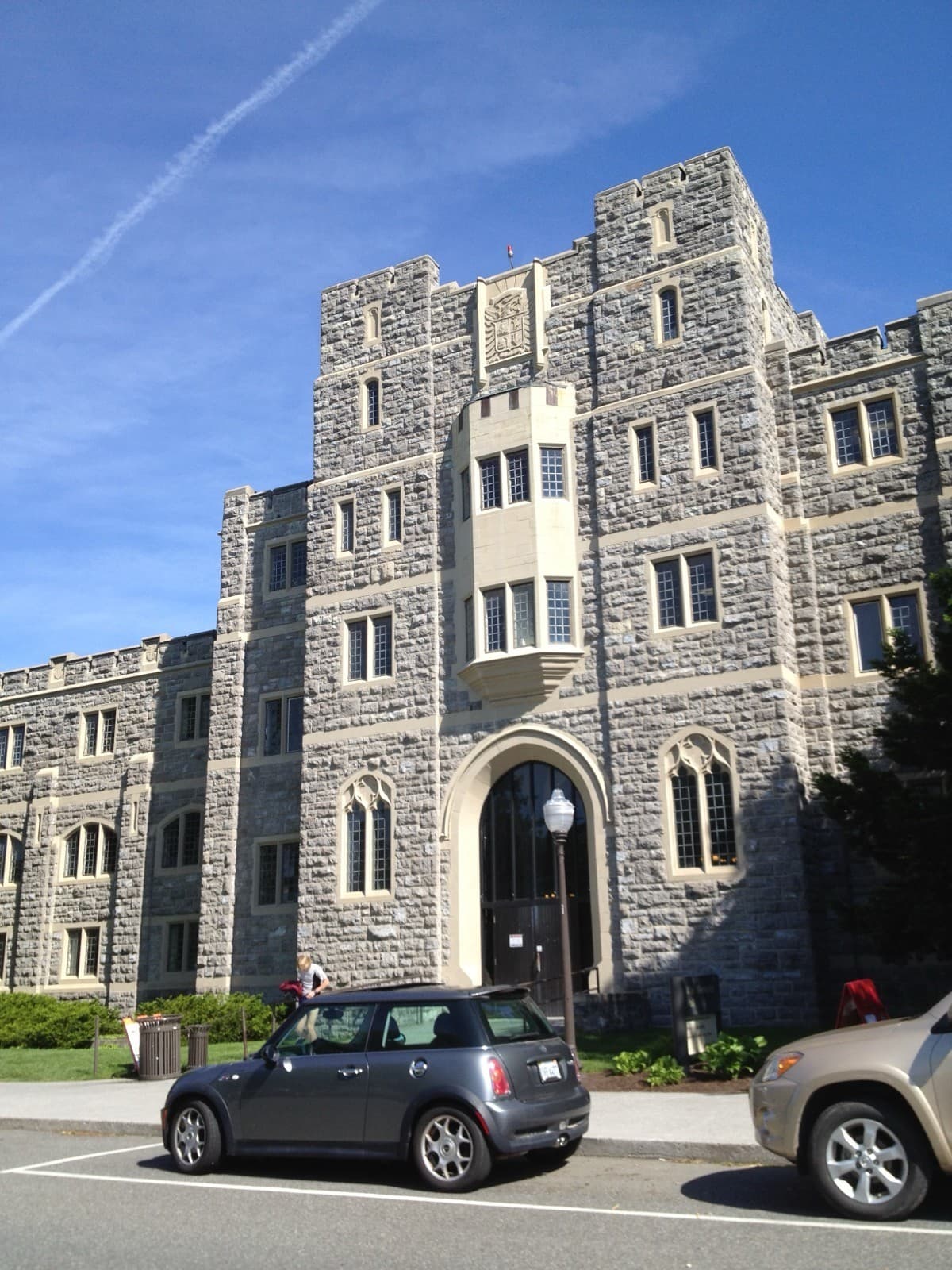
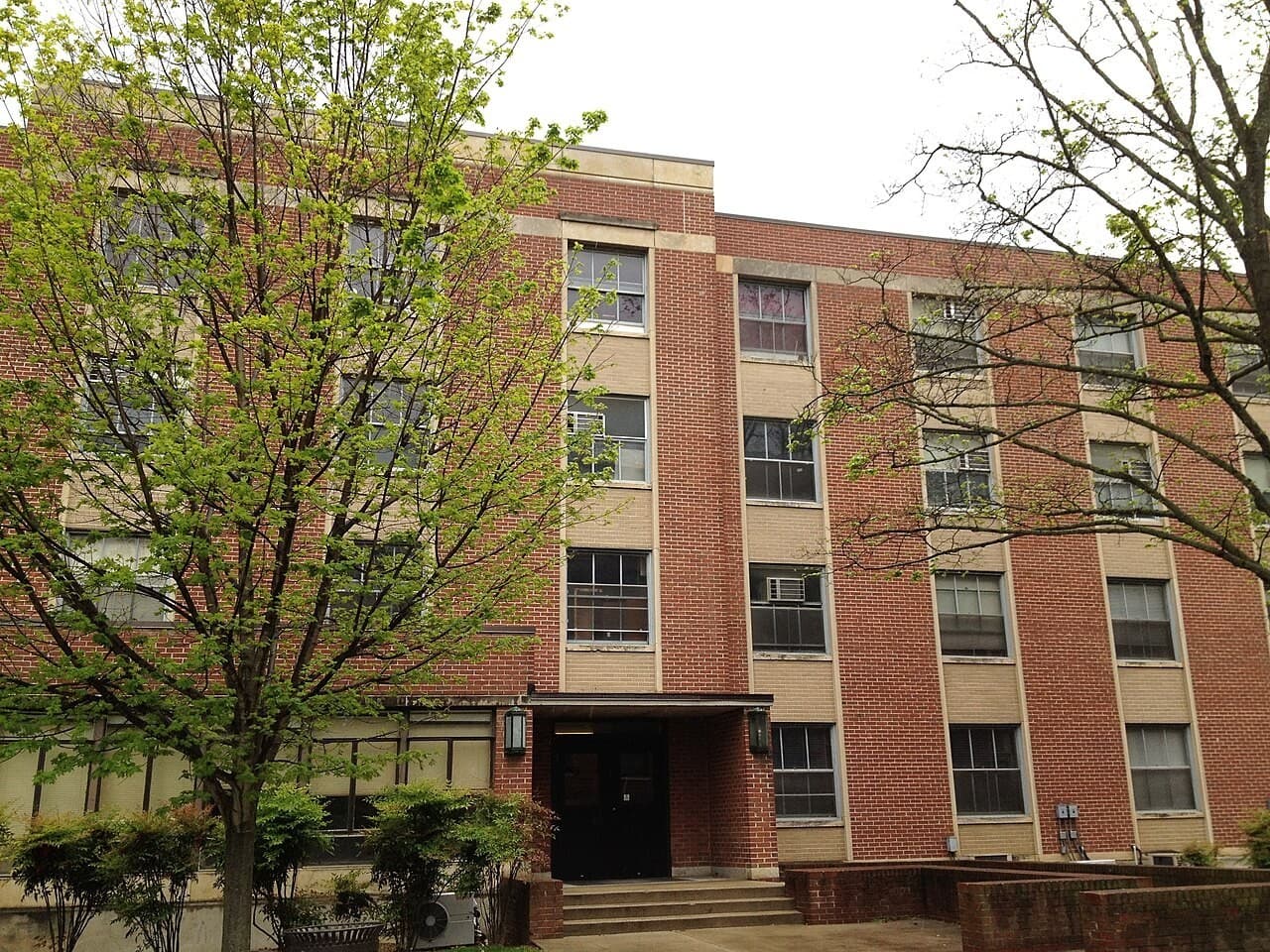
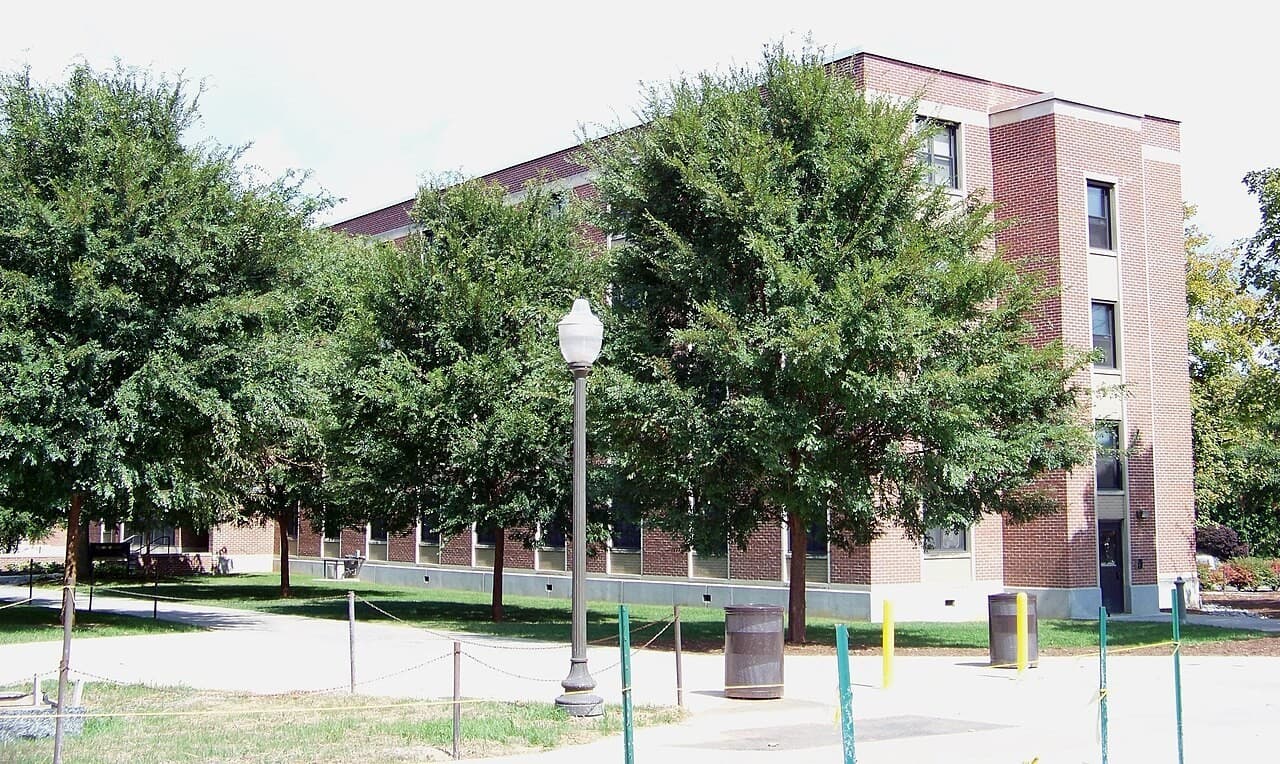
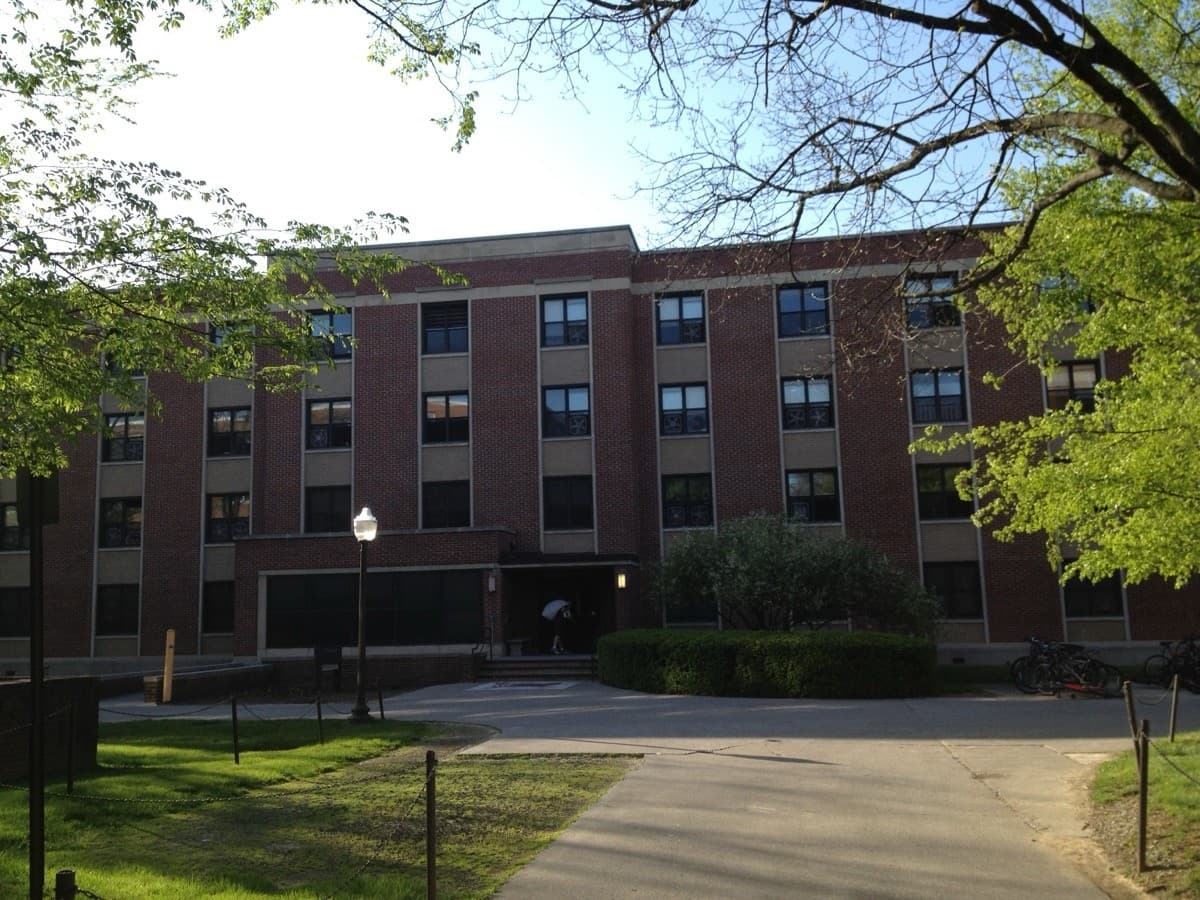
In 1949 three new Upper Quad barracks were dedicated to VPI’s World War II recipients: Femoyer Hall, Monteith Hall and Thomas Hall. All three have since been torn down in the Upper Quad rebuild. The names are still on the cenotaph.
War Memorial Hall, the gym, is older than the chapel. It was built as a memorial to everyone at VPI who served in World War I. Ground was broken on March 9, 1925, and the first commencement there was held on June 14, 1927.
Across the Drillfield, the April 16 Memorial’s 32 engraved Hokie Stones honor the students and faculty members who died on April 16, 2007. Among them was Professor Liviu Librescu, a Holocaust survivor and engineering science and mechanics teacher who had made Blacksburg home in 1985.